Build Moisture-Controlled Wooden Humidor for Cigars
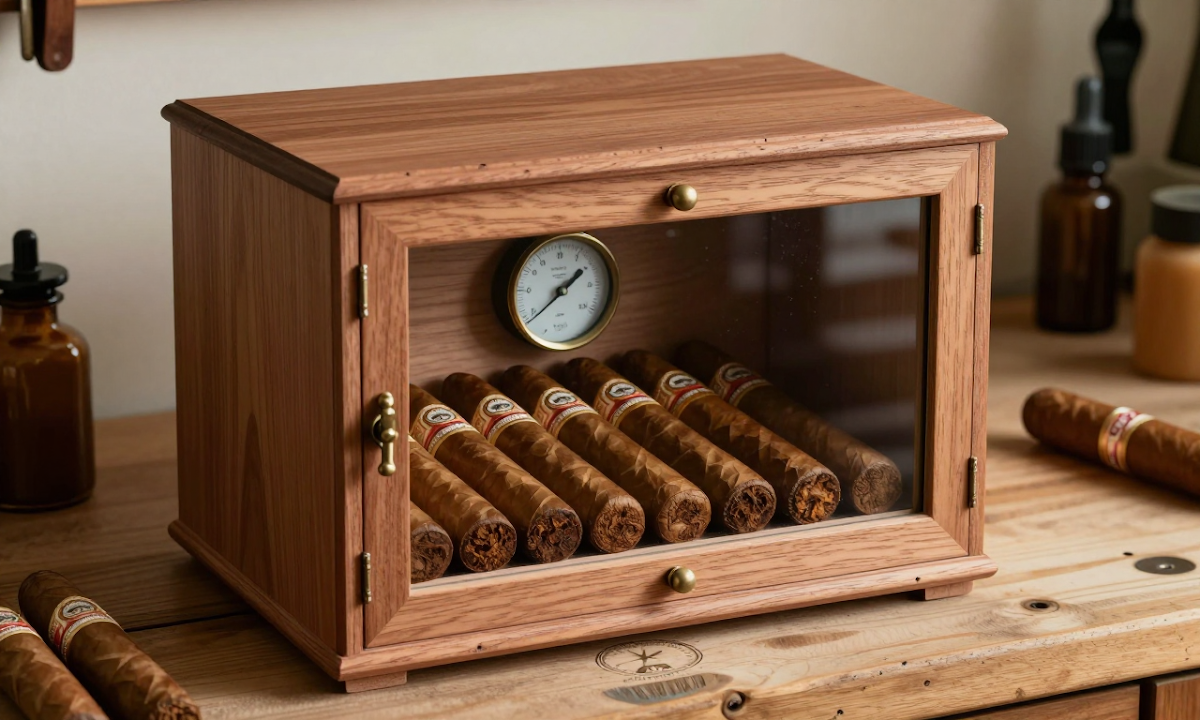
A moisture-controlled wooden humidor is essential for preserving the quality of cigars, ensuring they stay fresh and flavorful for years. Whether you're a cigar enthusiast or a collector, building your own humidor offers a rewarding way to customize storage for your prized collection. You'll learn how to select the right wood, design a practical layout, and build a box that maintains consistent humidity levels. The focus is on creating a durable, moisture-controlled environment that protects your cigars from dryness or excess dampness. By the end of this process, you'll have a custom-built humidor that not only looks great but also works reliably. The steps are clear and practical, making it accessible for beginners who want to create something useful and meaningful with their woodworking skills.
In this article:
- Understanding Humidor Requirements
- Selecting the Right Wood for a Humidor
- Designing Your Humidor Layout
- Building the Humidor Box with Moisture Control
- Finishing and Testing Your Humidor
- Final Thoughts
Understanding Humidor Requirements
Proper humidity control is essential for preserving the flavor, aroma, and burn quality of cigars. Cigars are delicate and require a stable environment to prevent drying, mold, or over-humidification. A moisture-controlled wooden humidor provides an ideal environment by maintaining humidity levels between 65% and 70%, which is optimal for cigar aging and storage. Without the right conditions, cigars can become brittle, lose their flavor, or develop mildew, significantly reducing their value and enjoyment.
Humidity levels that are too low can cause cigars to dry out, leading to cracks in the wrapper and a loss of smoothness. Conversely, excessive moisture can cause cigars to become damp, leading to mold growth and an unpleasant smoking experience. A well-designed humidor with built-in humidity control mechanisms ensures that cigars remain in perfect condition for years. This is especially important for collectors and enthusiasts who want to maintain the quality of their cigar collection over time.
Wooden humidors are popular due to their natural ability to regulate moisture and their aesthetic appeal. However, not all woods are suitable for this purpose. The right wood choice can help maintain consistent humidity levels and prevent warping or cracking. Additionally, incorporating a humidifier or dehumidifier within the wooden box is crucial for achieving and maintaining the ideal environment. These components work together to ensure that cigars are stored in the perfect climate, preserving their quality and enhancing the overall smoking experience.
Understanding the specific needs of cigars and how a moisture-controlled wooden humidor addresses these needs is key to creating a functional and effective storage solution. By prioritizing humidity control, you can ensure that your cigars remain in excellent condition, allowing you to enjoy them at their best for years to come.
Selecting the Right Wood for a Humidor
Selecting the right wood is crucial for creating a moisture-controlled wooden humidor that maintains consistent humidity levels for cigars. Certain wood types are naturally resistant to moisture and offer greater dimensional stability, which is essential for preventing warping or cracking over time.
Wood Types That Resist Moisture and Maintain Stability
- Maple is an excellent choice for a humidor due to its high resistance to moisture and minimal expansion or contraction. It is also known for its smooth grain, which allows for a clean finish and easy application of sealants.
- Walnut is another strong contender, offering both durability and a rich, dark appearance. Its tight grain structure helps it resist changes in humidity, making it ideal for long-term cigar storage.
- Teak is naturally resistant to moisture and decay, making it a popular choice for outdoor applications. Its high oil content also helps protect against humidity fluctuations, though it may require more frequent maintenance.
- Redwood is known for its natural resistance to rot and insects, which makes it a good option for humid environments. It is also relatively easy to work with, making it a beginner-friendly choice.
- Hard maple is a dense, stable wood that resists moisture well. It is a great option for those looking for a durable, long-lasting humidor that can maintain consistent humidity levels over time.
When choosing wood for your humidor, consider how it will interact with the humidity control system. Woods with a low coefficient of expansion will help ensure that your humidor maintains its shape and integrity over time, even in fluctuating conditions.
Designing Your Humidor Layout
Before cutting any wood, measure the interior space of your humidor box. Use a tape measure to determine the length, width, and height based on the number of cigars you plan to store. A standard humidor can range from 8 inches to 16 inches in height, with a width of 12 to 18 inches and a depth of 6 to 10 inches. These dimensions can be adjusted based on your personal preference and the size of cigar boxes you intend to store. Once you have your desired dimensions, transfer them to the wood using a pencil and a marking gauge.
Wood Selection and Preparation
- Choose a stable wood such as maple, walnut, or cherry for its resistance to warping and moisture changes. These woods are less likely to expand or contract, ensuring a consistent environment for your cigars.
- Prepare the wood by cutting it to the required size using a table saw or circular saw. Ensure all pieces are cut to exact measurements and sanded to a smooth finish using 120- to 220-grit sandpaper.
- Plan the internal structure with a moisture control system. Use a layer of foam or felt between the wood panels to create a buffer against humidity fluctuations. This layer helps absorb excess moisture and maintains a stable environment.
When cutting the wood, use a combination square and a marking gauge to ensure precise measurements. For the base and top panels, cut them to the exact length and width you determined. For the sides, measure and cut them to match the height and width. If building a custom humidor, consider adding a compartment for a humidifier, such as a small water tray or a built-in humidifier unit. This will help maintain the ideal humidity level for your cigars.
Building the Humidor Box with Moisture Control
Begin by cutting the wood to the required dimensions using a table saw or circular saw. Ensure all pieces are square and smooth, using a hand plane or sandpaper to remove any rough edges. Assemble the base and sides using wood glue and wood screws for added strength. Use biscuits or dowels for precise alignment and a stronger joint. Once the frame is complete, attach the top panel, making sure it is level and secure.
Adding Moisture Control Features
Install a humidity control system by placing a hygrometer inside the box to monitor moisture levels. Position it away from direct contact with wood to avoid false readings. Include a humidifier, such as a small ceramic or digital model, to maintain the ideal humidity range of 65-70%. Ensure the humidifier is placed on a tray to prevent direct contact with the wood.
Drill small holes in the base or side panels to allow for air circulation while preventing excessive moisture buildup. Use a router or drill press to create evenly spaced holes, approximately 1/8 inch in diameter. These vents help regulate humidity without compromising the box's integrity.
Insert a moisture-resistant liner, such as a thin sheet of plastic or a moisture-proof fabric, inside the box to provide an extra layer of protection. Secure the liner with double-sided tape or staples, ensuring it does not touch the humidifier or hygrometer to avoid interference.
Install a lid with a tight-fitting gasket to seal the box and retain moisture. Use a router or jigsaw to cut the gasket groove, and apply a small amount of wood glue to secure the gasket in place. Test the lid’s seal by pressing it firmly and checking for any gaps or leaks.
Once assembled, place the humidor in a stable environment for a few days to allow the wood to acclimate. Monitor the humidity levels regularly and adjust the humidifier as needed. This setup ensures your cigars are stored in optimal conditions, preserving their flavor and quality over time.
Finishing and Testing Your Humidor
After assembling your moisture-controlled wooden humidor, the next step is to ensure it is properly sealed to maintain the ideal humidity level for cigars. Use a high-quality wood sealant or polyurethane designed for humid environments. Apply multiple thin coats, allowing each layer to dry completely before applying the next. This prevents moisture from escaping and helps protect the wood from warping or cracking over time.
Testing humidity levels
- Insert a hygrometer into the humidor to monitor the internal humidity. Ideal levels for cigar storage are between 65% and 70% relative humidity.
- If the humidity is too low, place a small humidifier inside the box. Ensure it is sealed properly to prevent leaks and damage to the wood.
- If the humidity is too high, use a desiccant pack or silica gel packets to absorb excess moisture. Place them in a small container to avoid direct contact with the cigars.
Once the humidity stabilizes, allow the humidor to sit for a few days to ensure it maintains consistent conditions. Check the internal environment daily for the first week to confirm it remains stable. Adjust the humidifier or desiccant as needed.
Maintenance tips
- Regularly clean the interior with a damp cloth to remove dust and debris. Avoid using water directly on the wood surface.
- Inspect the sealant and joints periodically for signs of wear or damage. Reapply sealant if necessary to maintain the integrity of the box.
- Store the humidor in a cool, dry place away from direct sunlight or extreme temperature changes.
By following these steps, you can ensure your homemade humidor provides a stable and controlled environment for your cigars. Proper sealing, humidity testing, and regular maintenance will help extend the life of your project and preserve your cigar collection.
Final Thoughts
The three most important takeaways are: first, selecting the right wood ensures longevity and stability in a moisture-controlled environment. Second, proper design with integrated humidity control is essential for preserving cigars. Third, careful finishing and testing guarantee optimal performance. A moisture-controlled wooden humidor requires attention to detail and material choice.
No comments
Post a Comment